
What Basic Parts Make Up a Roof?
Every roof is much more than just shingles or tiles. In Brockport, NY, sloped, asphalt-shingle roofs are most common, but all roofs share several components. Understanding these helps you maintain your home and communicate clearly during repairs or upgrades.
- Decking (Sheathing): The flat surface, usually made of plywood or oriented strand board, that forms the foundation for all other roofing materials.
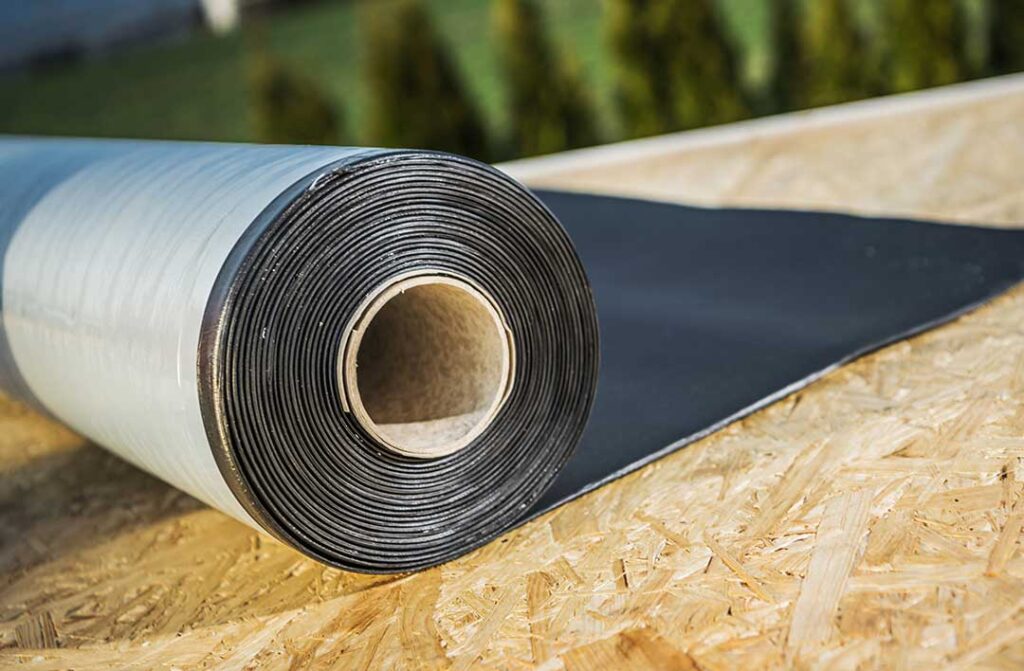
- Underlayment: A protective layer (commonly felt paper or a synthetic membrane) that sits between the decking and the shingles. It offers added moisture protection, especially against Brockport’s snow and spring rains.
- Shingles: The outermost roofing material visible from the street. In most area neighborhoods, asphalt or architectural shingles are standard.
- Flashing: Strips of metal installed at roof joints, valleys, chimneys, or skylights to channel water away from seams.
- Fascia: The board running along the roof edge, commonly supporting the gutter system.
- Soffit: The underside of roof overhangs, which helps ventilate attic spaces.
- Ridge: The horizontal line at the peak where two sloped roof sections meet.
- Eaves: The lower edges of a roof that usually extend beyond the walls.
A common misconception is that the term "roof" refers just to the visible shingles. In reality, the entire system—from decking to exhaust vents—works together to protect homes in the city’s variable climate.
Why Are Roof “Pitches” and “Valleys” Important?
Pitch refers to how steep a roof is. It’s often described as a ratio (e.g., 4:12 means the roof rises 4 inches for every 12 inches of horizontal distance). In Brockport, steeper pitches are common to help snow and water shed quickly, reducing the risk of leaks from prolonged moisture.
Valleys, meanwhile, are the internal angles where two roof slopes meet. Due to Brockport’s regular precipitation and snow melt, valleys are highly prone to leaks. Ensuring valleys are properly flashed and kept clear of debris is critical for longevity.
If you’re exploring roof work, asking about your roof’s exact pitch, valley style, and flashing details can help clarify what is feasible and how to reduce potential water problems in your home.
What Does Ventilation Mean for Local Roofs?
Ventilation involves moving air through and out of your attic space. This naturally regulates moisture and temperature, which is vital for every home in the Brockport community.
Key ventilation terms include:
- Ridge Vent: Runs along the roof’s peak, letting warm, moist air escape from the attic.
- Soffit Vent: Located under eaves or overhangs, these let cool air enter, which pushes out warm attic air.
- Gable Vent: Installed on the house’s vertical walls below the roof, sometimes seen in older Brockport homes.
Trapped moisture or overheated attics can lead to roof material deterioration, ice dams, and increased energy costs for the area’s homeowners. Residents sometimes assume insulation is the only concern, but in this climate, balanced insulation plus unobstructed ventilation is essential.
How Do Ice Dams Affect Roof Longevity in Brockport?
An ice dam forms when heat escaping from inside a home melts snow on the roof. As the melted water flows down and refreezes at the edge, it can push under shingles. In Brockport, freeze-thaw cycles cause this problem frequently during late winter.
Relevant terms:
- Ice and Water Shield: A rubberized membrane placed along eaves and valleys to prevent leaks caused by ice dams.
- Drip Edge: A metal flashing, installed at the edges to direct water into gutters and away from the underlying structure.
- Attic Bypass: Gaps or holes where warm indoor air escapes and heats the roof from below.
Misunderstanding how ice dams form can lead to temporary fixes or ignoring underlying ventilation or insulation problems. Preventing ice dam issues often requires combining proper insulation, vapor barriers, and targeted installation of ice-and-water protective layers.
What Are Common Roof Life and Maintenance Terms?
Knowing a few key terms can help residents of the city speak confidently about repairs, scheduling, and warranties.
- Roofing Square: A unit of measurement equal to 100 square feet of roofing. Most estimates in Brockport use this term.
- Tear-Off: Removing old shingles and underlayment down to the decking before installing new materials—often required in local code.
- Overlay: Installing new shingles over existing ones. This is sometimes allowed but not typically recommended in areas with significant snow loads.
- Granules: The small, pebble-like material on asphalt shingles that adds protection and coloring. Noticing granules in your gutters can be an early sign your roof is aging.
- Blistering/Curling: Types of shingle wear found in older or poorly ventilated roofs.
Area households sometimes worry that black streaks or moss are immediate signs for replacement. In most cases, these can be cleaned or treated without a full roof overhaul, so long as shingles remain sound.
How Do Local Codes and Climate Impact Roofing Choices?
In Brockport, local building codes and insurance rules frequently determine what roofing features are required. For example:
- Homes in snowbelt zones may need specific underlayment types or increased ventilation.
- Many districts set a maximum number of shingle layers before a full tear-off is mandatory.
- Chimney flashing standards, gutter placement, and ice dam prevention steps sometimes differ for newer developments compared to older housing stock in the community.
Reading permit paperwork or insurance policy language, residents will find terms like “Class A Fire Rating” (shingles’ resistance to fire), “wind uplift rating,” or “impact resistance.” These relate directly to the city’s weather and regional safety regulations.
Many local misconceptions stem from assuming roofs are the same everywhere. Brockport’s seasonal shifts, frequent lake-effect storms, and older home styles all affect recommendations for roof design and care.
When Should Safety and Professional Assessment Come First?
Certain roofing issues require caution. Terms such as “structural sag,” “sheathing rot,” or “active leak” mean the underlying integrity of the home may be at risk. If there are signs of widespread mold, evidence of collapse risk, or electrical wiring exposed in an attic, it’s critical for safety to arrange further assessment rather than attempting repairs alone.
Residents sometimes believe minor leaks or ceiling stains are isolated problems—but these can be symptoms of much broader structural issues, especially in older or heavily remodeled homes in Brockport.
Understanding even a handful of these terms helps area homeowners recognize when regular upkeep is sufficient versus when more specialized attention is justified, ensuring safer and longer-lasting protection for every home.
