
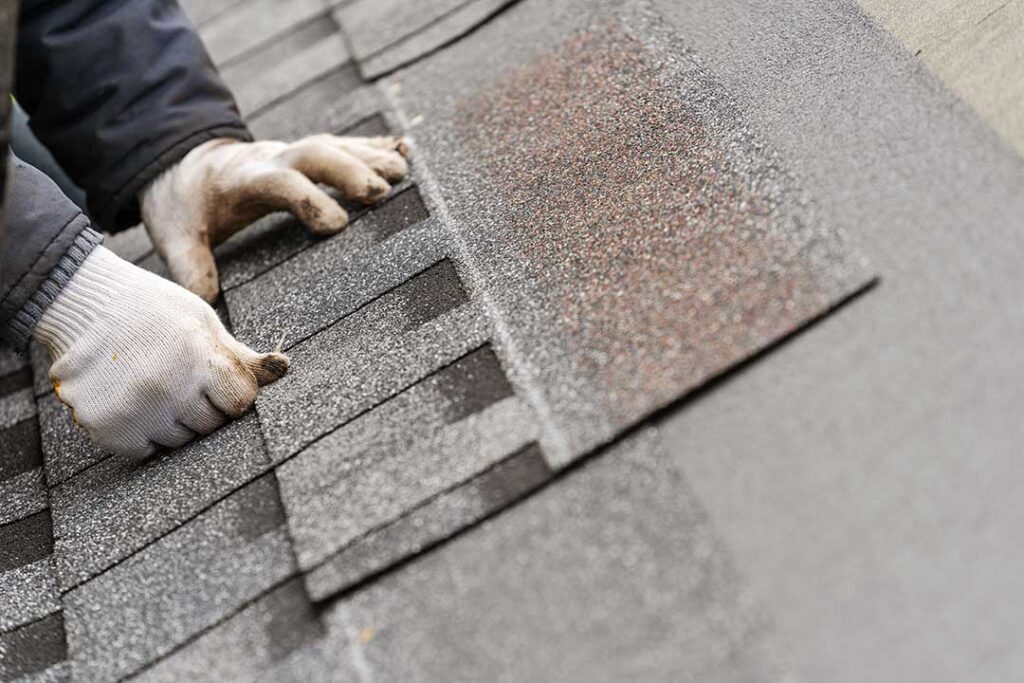
Why Is Proper Documentation Essential for Roof Damage Claims?
Proper documentation is the foundation of a successful roof damage insurance claim, especially in Brockport, NY. Insurance companies rely on clear, accurate records to determine coverage and repair needs. If documentation is incomplete or unclear, claims risk being delayed or denied.
Every claim should provide a clear picture of the roof's pre-damage state, the type of damage, its extent, and when it likely occurred. Documentation also helps demonstrate that regular care was provided, which insurers may require for eligibility. Locally, seasonal weather patterns like wind-driven rain, ice dams, or heavy snowfall often play a major part in roof issues, so noting the timing of damage in relation to storms is particularly helpful.
When Should Residents Start Documenting Roof Damage?
Start documenting immediately after noticing roof damage or after a severe weather event. Acting quickly ensures that the condition of the roof is recorded accurately and reduces the risk of further damage, which could complicate the claim.
In Brockport, severe storms, hail, or high winds are the most common weather events that cause roof damage. Residents should inspect their roofs as soon as it's safe after these events, noting any new leaks, missing shingles, or obvious structural changes.
What Photographic Evidence Is Most Useful?
Clear, well-organized photos are one of the most persuasive forms of documentation for insurance purposes. Photos create a visual record that is difficult to dispute and help insurance adjusters understand the situation without needing an immediate site visit.
Tips for effective photographic evidence:
- Capture wide shots showing the entire roof from the ground to provide context.
- Take close-ups of the damage (for example, torn shingles, punctures, broken tiles, or exposed underlayment).
- Include interior photos if leaks or water stains are visible on ceilings or walls.
- Use a date-stamping feature if available on a camera or smartphone.
- Photograph the outside surroundings for context, showing any downed branches, fallen debris, or evidence of the severe weather that may have caused damage.
- If safe, document attic spaces for water intrusion or structural deformation.
It's best to take photos during daylight when everything is clearly visible, but always avoid climbing onto a damaged roof, particularly in icy or wet conditions typical of Brockport winters.
Which Written Records Do Insurers Require?
Written records support photographic evidence and clarify the history and details of the damage. Insurance providers typically require:
- A clear description of the damage, including the type, location, and estimated timing.
- The date damage was first observed and what prompted the inspection (for example, following a storm).
- Notes about signs of water intrusion, interior damage, or missing materials.
- Maintenance records showing past repairs or inspections, which help demonstrate regular care.
- If available, receipts or invoices for emergency repairs needed to protect the home from further harm.
Check your policy documents for any specific forms or templates requested by your insurer, but a well-organized document in a notebook or digital file is typically sufficient for initial reporting.
How Can Brockport Homeowners Prove Damage Is Storm-Related?
In Brockport, insurance policies often cover sudden or accidental roof damage—such as that caused by thunderstorms or wind—but not gradual deterioration. Proving that damage resulted from a specific event can make a claim much stronger.
Steps to support storm-related claims:
- Retain local weather reports, news articles, or National Weather Service advisories from the relevant date.
- Photograph storm aftermath on your property and in the neighborhood (showing downed limbs, torn siding, or other storm markers).
- If neighbors experienced similar damage, noting this in your statement can support your account.
- Keep all correspondence with your insurance company dated and organized, including initial damage reports.
What Are the Most Common Documentation Mistakes Residents Make?
Some mistakes can undermine or delay a roof damage claim. Common pitfalls include:
- Failing to document the roof’s condition before the damage—pre-damage photos can be useful if available.
- Only taking one or two photos, or failing to get close-up shots that show detail.
- Delaying documentation, allowing weather or repairs to change the evidence.
- Not keeping records of emergency repairs done to prevent further harm.
- Overlooking hidden signs of water intrusion, such as attic dampness or baseboard staining.
- Discarding damaged materials before they are documented.
Avoiding these missteps keeps the claim process smooth and supports a fair assessment.
Are There Special Considerations for Older Roofs in the Community?
Older roofs are common in many Brockport neighborhoods, and insurers often review the age and condition of a roof before approving claims. If your roof is over 15-20 years old, document its maintenance history as thoroughly as possible.
Consider the following:
- Maintain a folder of any inspections, repairs, or replacements.
- Photograph the overall condition of the roof at least once a year, as well as after major storms.
- Clearly distinguish recent damage from pre-existing wear-and-tear—if unsure, note your observations about what looks new versus older issues.
By keeping records updated year-round, residents can avoid complications if sudden damage occurs.
What Should Residents Do If Immediate Repairs Are Needed for Safety?
If the roof is compromised and further damage is likely—such as after a tree limb falls or part of the roof is exposed—residents should take steps to protect their home but continue to document everything.
Guidance includes:
- Take full photo and written documentation before making any changes.
- Save receipts for materials or temporary repairs (such as tarps or emergency patching).
- Note the reason for immediate repairs and communicate with your insurer as soon as possible.
- Only conduct repairs that are safe—if there is significant risk, wait until professional emergency services can assist.
Timely documentation and record-keeping, even in stressful situations, make claims more straightforward and help ensure safety while preserving evidence.
