

How Does Humidity Interact with Roofing Materials in Brockport, NY?
Humidity is a regular feature of life in Brockport, NY, especially during spring, summer, and fall. The region’s proximity to both Lake Ontario and the Erie Canal creates higher-than-average moisture levels in the air. This increased humidity directly affects how roofing materials perform and last over the years.
Most types of roofing—including asphalt shingles, wood shakes, metal, and even slate—respond differently to constant moisture exposure. Understanding these responses is essential for local homeowners looking to protect their properties.
Why Does High Humidity Matter for Roofs in the City?
High humidity causes more than just temporary discomfort. For local roofs, persistent moisture can:
- Accelerate material breakdown
- Encourage algae and mold growth
- Weaken structural components over time
Because Brockport’s weather patterns include humid summers and damp springs, area roofs may experience prolonged periods of excess moisture trapped beneath shingles or in roof decking, making routine inspection and awareness necessary.
Are Certain Roofing Materials More Vulnerable to Humidity?
Yes, roofing material choice impacts vulnerability to high humidity:
- Asphalt Shingles: Popular in the city due to affordability, these shingles absorb some moisture and may warp or lose granules faster if exposed to sustained dampness. Over time, embedded fiberglass mats can deteriorate if trapped moisture lingers.
- Wood Shakes or Shingles: Wood naturally absorbs and releases water, but high humidity causes swelling, splitting, or the development of rot. Moss and algae thrive in these conditions, increasing maintenance needs.
- Metal Roofs: Metal sheds moisture effectively but corrosion can develop if protective coatings degrade and moisture gets trapped at seams or fasteners.
- Slate and Tile: Minimal absorption, but underlayment and structural supports such as wood or felt can still be impacted if moisture gets past the top layer.
Local households with tree coverage or homes shaded for much of the day often notice faster algae or mildew development—especially on the north-facing sections of the roof, where sunlight struggles to evaporate moisture.
What Maintenance Challenges Does Humidity Create for Local Residents?
Humidity introduces ongoing care needs that affect roof lifespan:
- Mold and algae streaks appear as dark stains, particularly on older or shaded roofs. While mostly cosmetic at first, these can eventually degrade shingles and cause leaks.
- Nail and fastener corrosion loosens attachments, increasing the risk of sections lifting in strong winds or storms.
- Attic condensation occurs when outside humidity interacts with inadequate ventilation, increasing risk of rot to roof decking and rafters.
Residents often find that regular visual checks for discoloration, streaking, or musty odors (especially in attics) help spot early warning signs before issues grow.
How Can Humidity Problems Be Minimized in the Community?
While weather can’t be controlled, residents have practical steps to help roofs cope with moisture:
- Maintain roof ventilation: Attic vents and ridge vents help equalize temperature and humidity, preventing moist air from condensing beneath the roof membrane.
- Clean gutters regularly: Clear drainage ensures rainwater and dew are quickly shed, limiting water pooling near roof edges.
- Trim overhanging branches: This increases sunlight exposure, helping roof surfaces dry more quickly after rain or humid nights.
- Remove moss and algae safely: Rinsing with gentle, appropriate solutions avoids damaging shingle surfaces; always follow material guidelines.
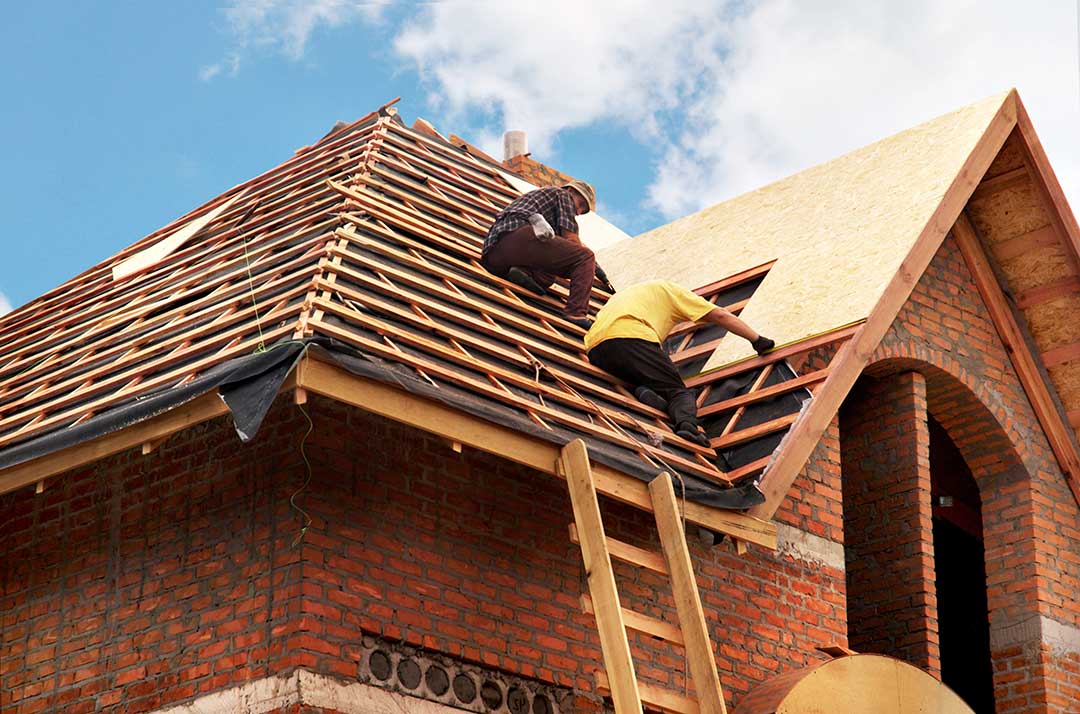
Routine monitoring—especially in late spring and summer when humidity peaks—keeps minor dampness from turning into major repairs.
Common Misconceptions About Humidity and Local Roofs
Several myths cloud homeowners’ understanding:
- Humidity doesn’t only cause leaks during heavy rain; vapor from air can collect and promote rot even without storms.
- Modern shingles are not always fully “waterproof” against humidity. Nearly all roofing materials have some degree of moisture interaction.
- Ventilation is not just for cooling attics; it is key to managing roof moisture year-round.
Residents sometimes underestimate the subtle, long-term effects of moist air—especially on older homes or additions with less modern insulation.
What Role Does Roofing Age and Condition Play in Humidity Response?
Older roofs, especially those 15-20 years or more, become more porous and susceptible to moisture. Shingle tabs may lift, granules thin, and protective layers break down, all of which allow humidity to penetrate deeper into roof structures. Minor cracks and gaps, invisible to the untrained eye, give moisture an easier path to wood supports or insulation.
Routine attention becomes even more important for these aging structures. Subtle changes, like new algae streaks or slight buckling, usually signal that humidity is finding its way past the roof’s outer defense.
Practical Signs of Humidity Impact for Brockport Residents
Be on the lookout for:
- Shingles that curl, buckle, or look damp long after rain
- Musty odors in upper floors or finished attics
- Unexplained water stains on interior ceilings, especially after humid periods
- Increased moss or lichen growth, particularly along roof edges or where debris collects
Spotting these early means local families can plan small repairs or preventative measures long before larger problems develop.
