

What Is Roof Decking?
Roof decking is the structural base for your roof—the surface to which shingles or other roofing materials are attached. In local homes, it’s usually made of wooden boards, plywood, or oriented strand board (OSB). This layer is critical because it ties rafters together and forms a stable surface for everything above.
Why Does Roof Decking Matter for Local Homes?
Roof decking affects how well your roof stands up to weather and moisture, both common concerns for residents due to the area’s shifting seasons. If the decking is weak or damaged, it can lead to leaks, sagging, or even structural problems. In the city, sudden snow melts, rain, and ice buildup are all factors that can put pressure on decking over time.
What Types of Materials Are Used?
Not all roof decking is created equal. Most homes use one of three main materials:
- Plywood: Made from thin layers of wood veneer glued together, plywood is strong and holds fasteners well. It’s commonly found in houses built over the last few decades.
- Oriented Strand Board (OSB): OSB consists of small wood chips and adhesives pressed into sturdy panels. It’s affordable and widely used in newer construction.
- Wood Planks: In older homes, decking may be made of solid wood boards laid side-by-side. These are sturdy but may have gaps that modern building codes no longer permit for certain roofing types.
Each material has specific performance characteristics, but all must provide a solid, dry, and even base for the roof system to work as intended.
How Can I Tell If the Decking Needs Repair?
Early signs of trouble with roof decking can be subtle. Local households should watch for:
- Sagging Rooflines: A visible dip or unevenness often means the decking underneath has weakened.
- Interior Stains or Peeling Paint: Water getting through the surface may indicate failing decking.
- Bouncy or Spongy Feel: If walking in the attic feels less solid, or you hear creaking underfoot, the decking might be compromised.
In the city, seasonal temperature swings (freeze and thaw cycles) can also cause minor damage to gradually worsen, so small problems shouldn’t be ignored.
How Is Roof Decking Inspected During a Roofing Project?
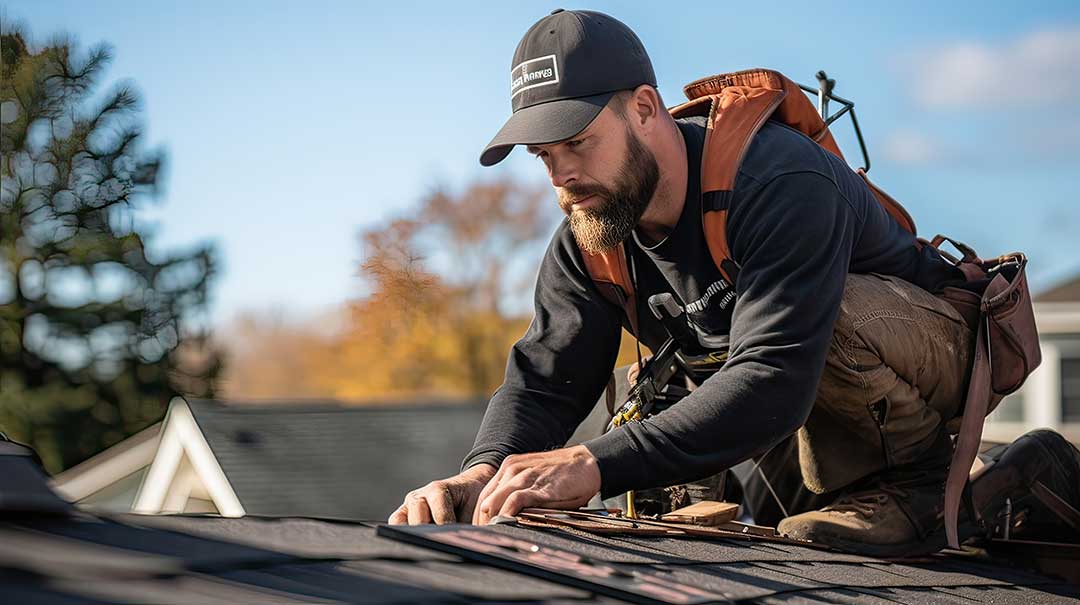
During re-roofing, any reputable crew will check the condition of the decking as they remove old materials. Typical steps include:
- Removing all shingles and underlayment to expose the deck.
- Checking for soft spots, mold, cracking, or rot.
- Probing suspicious areas with tools to test for strength.
- Replacing any sections that aren’t structurally sound.
Building codes for local homes require that only sound, dry, and properly spaced decking supports new roofing. Attempting to install new materials over damaged decking leads to poor results and further damage.
What Are Common Misconceptions About Roof Decking?
One common mistake is thinking the surface doesn’t matter as long as the outer shingles look fine. In reality, even the most expensive shingles can’t perform correctly on an unstable base.
Another misconception is that only wet or obviously rotted wood needs replacement. Subtle deterioration—like delamination, insect damage, or hidden gaps—are easy to miss but still undermine the system. Even a home with a metal or tile roof relies on strong decking beneath.
Does Decking Impact Energy Efficiency or Ventilation?
Yes; roof decking can affect both insulation performance and attic airflow. In local homes, proper installation helps:
- Prevent gaps where warm, moist air could escape into the attic and cause condensation or mold.
- Support the installation of vapor barriers, which keep insulation dry and effective.
- Ensure vent openings can be installed at proper locations to allow hot air to exit in summer and limit ice dams in winter.
Modern decking materials are sized to help minimize heat loss, air leaks, and related moisture problems.
Can Decking Be Upgraded Without a Full Roof Replacement?
Replacing individual sheets or planks is possible if localized damage is found during repairs or renovations. However, wide-scale upgrades usually happen alongside a new roof installation for practical and economic reasons.
Occasionally, in the case of historic or older homes, modern decking is added directly over existing planks to provide a safer and more weather-resistant foundation.
What Should Local Residents Know About Maintenance?
Routine maintenance of roof decking focuses on prevention:
- Keep gutters clear to prevent water backup that can soak the eaves.
- Inspect for signs of pests or animal activity in attics, as burrowing can weaken boards.
- Check after severe storms for leaks or unusual odors inside, which could indicate early decking problems.
Catch issues early, and roofing repairs are often more straightforward and less expensive.
Are There Local Codes or Considerations That Affect Decking?
Building codes in the community specify minimum standards for decking thickness, spacing, and moisture resistance. For major repairs or total roof replacements, these codes must be followed to ensure safety and protect property value. Homeowners planning an addition or significant change can inquire with city officials or a building inspector for up-to-date standards.
