

How Do High Winds Damage Roofs in Brockport, NY?
Severe winds can displace, loosen, or break roofing materials, even if a roof appears structurally sound. In Brockport, NY, winds often intensify during spring storms, winter squalls, and lake-effect events, making area homes especially vulnerable to wind-related damage. Most common issues include missing shingles, lifted flashing, or even partial roof deck exposure.
Wind doesn’t always hit roofs head-on; it often creates a suction effect over the ridges and edges. This leads to materials being peeled up from corners and eaves. Once a single shingle or section is lifted, additional exposure occurs, potentially causing a chain reaction that affects larger sections if not addressed quickly.
What Types of Roofs Are Most Vulnerable?
Older, poorly maintained, or improperly installed roofs are more likely to suffer wind damage. Brockport's neighborhoods include a mix of architectural styles and roof types, such as asphalt shingle, metal, and occasional slate or tile. Each reacts differently to wind:
- Asphalt shingles: The most common material locally, these can curl, lift, or blow away if adhesive bonds weaken.
- Metal roofs: Panels can be bent or have fasteners loosen, but well-installed metal roofs usually withstand higher winds.
- Tile and slate: Heavier, but if poorly anchored, these materials might slide or break, creating safety hazards.
Homes near open spaces, such as fields or lakeshore, frequently experience the harshest gusts, while clustered residential blocks sometimes gain partial shelter from neighboring buildings and trees.
What Are the Warning Signs of Wind Damage?
Early identification can help prevent major repairs. Visible symptoms include:
- Shingles missing, creased, or curling upward, often around roof edges
- Bits of roofing material or granules found in gutters or on the ground
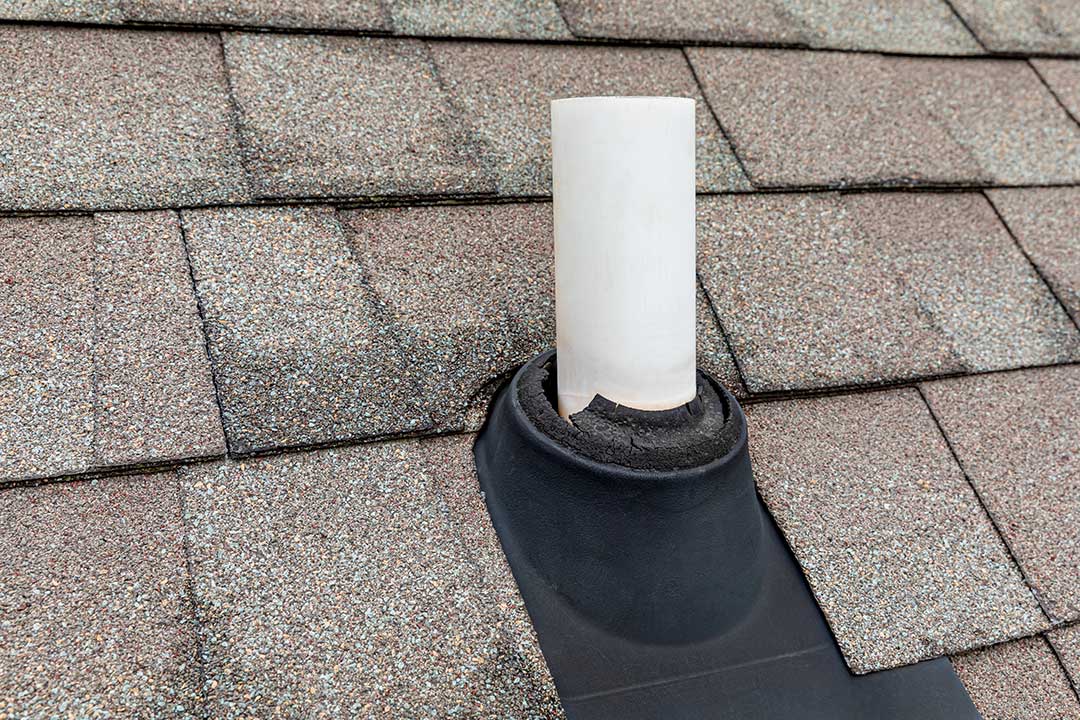
- Flashing or vent boots peeled away, rattling, or out of place
- Water stains in attics, on upper walls, or ceilings
Sometimes, damage can be subtle. For example, a shingle may look intact from the street but have lifted just enough to let water seep in. Periodic inspections—either visually from ground level after a storm, or from inside the attic—are key for area homeowners.
Can Minor Wind Damage Lead to Bigger Problems?
Even minor wind disturbances create weak points. Once wind, rain, or snow can enter through a damaged location, leaks and rot follow. In Brockport’s cold months, repeated freeze-thaw cycles worsen gaps, causing shingles to expand and contract. Over time, issues like trapped moisture, mold, deteriorating insulation, or pest entry can develop.
If a storm exposes the underlying felt or wood deck—even in just a small patch—fast action is critical for weatherproofing, especially with the city's fluctuating temperatures and frequent precipitation.
How Do Local Weather Patterns Influence Roof Damage Risk?
Brockport experiences a mix of severe weather: snow squalls, strong spring gusts, and powerful summer thunderstorms. Lake Ontario’s proximity means unpredictable wind shifts and intensities. This increases roof stress through:
- Sudden, short bursts of high wind
- Heavy snow accumulation followed by wind-driven thaw cycles
- Rain infiltration, which weakens adhesives or saturates underlying materials
Residents should recognize that what may seem like a “minor” wind event can result in hidden vulnerabilities, especially as weather patterns become more erratic.
Are There Steps Residents Can Take to Minimize Risk?
Absolutely. While no roof is totally immune to wind, certain measures improve resilience:
- Keep tree limbs trimmed away from the house to reduce falling or scraping risks.
- Check that gutters and downspouts are firmly attached and clear of debris.
- After storms, inspect the attic and visible roof sections for new leaks, stains, or drafts.
- Ensure that roofing materials—especially on additions or repairs—meet local building codes for wind resistance.
- Secure any loose objects in the yard that could strike or scrape the roof during a storm.
Simple seasonal checks, especially before and after extreme weather, provide peace of mind and reduce the odds of serious damage.
What Should Residents Avoid When Inspecting or Addressing Wind Damage?
Climbing onto the roof without proper equipment or safety experience is not recommended, especially after a storm when surfaces may be slick, loose, or unstable. Instead, initial assessments should be done from the ground using binoculars if needed, or from inside the home (attics and upper-floor windows). If there are doubts about safety, seeking advice from an informed, qualified resource is always preferable.
Misconceptions can also lead to overlooked issues; for example, some assume that a newer roof is windproof, but even recent reroofing can be compromised if installation was rushed or materials weren’t rated for local wind speeds.
How Often Should Roofs Be Checked for Wind Damage?
Following major weather events, a prompt inspection is wise, even if there are no immediate leaks. For most Brockport residents, a full exterior and interior roof check twice per year—typically after winter thaw and at the end of storm season—offers the best balance between vigilance and practicality.
Localized advice regarding material choice and maintenance schedules is often available from municipal resources if homeowners have questions about prevailing standards or regulations.
