

How Often Should Residents Schedule a Roof Inspection?
Most homes in Brockport, NY benefit from a roof inspection once a year, usually in spring or early summer. This timing helps spot damage from winter’s snow and freeze-thaw cycles, which are prominent in this area. Spring also allows enough time for repairs before summer storms or autumn leaves can worsen existing problems.
However, some situations call for more frequent inspections. For older roofs, or those with past repair issues, a check every six months may be smart. Homeowners who notice sudden water stains, missing shingles, or visible sagging should consider an immediate assessment regardless of the regular schedule.
What Makes Brockport’s Climate Unique for Roofing Needs?
Frequent freeze-thaw cycles and lake-effect snowfall are typical in Brockport, placing extra strain on roof materials. Heavy winter storms can loosen shingles, create ice dams, or cause gutters to clog and overflow. These regional conditions mean roofs can be especially vulnerable to hidden leaks or gradual material breakdown.
Local housing styles, including pitched roofs and older historic homes, often have specific risks—such as chimney flashing leaks or moss buildup where trees overhang. Most area homes also experience wind-driven rain and debris from abundant trees, which can clog drainage systems or dislodge protective materials.
Why Not Wait Until You Notice a Leak?
Waiting for obvious signs like interior leaks, sagging, or mold is risky. By the time water gets inside, it often means damage has already progressed past the roof and affected insulation, ceilings, or electrical systems. Preventive inspections mean catching small splits, lifted shingles, or clogged flashings long before they threaten inside spaces.
Many minor issues are invisible from ground level or may occur in hidden spots, such as under eaves or along valleys. A quick visual check from the sidewalk can’t replace a thorough review from above—but spotting granular loss on shingles or visible debris does mean it’s worth scheduling a closer look soon.
Are There Times You Should Check Your Roof Sooner?
Certain events should trigger a roof check immediately:
- After a major windstorm, hail, or heavy snowfall, especially if neighbors’ roofs show visible trouble.
- Following any work on the chimney, satellite dish installation, or gutter cleaning—these activities can unintentionally disturb roof materials.
- When selling or buying a home, lenders or insurers may require proof the roof is sound.
- After noticing debris, nests, or animal activity—critters can dig or burrow through vulnerable spots.
If unsure whether a recent event might have harmed your roof, checking the attic for sunlight, damp insulation, or musty odors can offer clues before water stains appear.
Common Misconceptions About Roof Inspections
Many Brockport residents assume a new roof won’t need attention for decades or that roofs only need checking after obvious storms. In reality, even the best materials can suffer from small defects, undetected installation mistakes, or gradual weathering. Annual or biennial inspections are a routine part of maintaining the structure—not just a reaction to emergencies.
Home warranties or insurance often require evidence of proactive upkeep. Skipping regular checks may not just risk damage; it can even void certain protections if neglect is found to be a factor after a claim.
What Happens During a Standard Roof Inspection?
A typical inspection covers three main areas:
- The exterior: Checking for cracked, curling, or missing shingles, exposed nails, and damage around flashings, chimneys, and skylights.
- Gutters and drainage: Making sure water can flow away freely and checking for granule buildup or debris.
- The attic: Looking for signs of leaks, mold, rotted wood, and adequate ventilation.
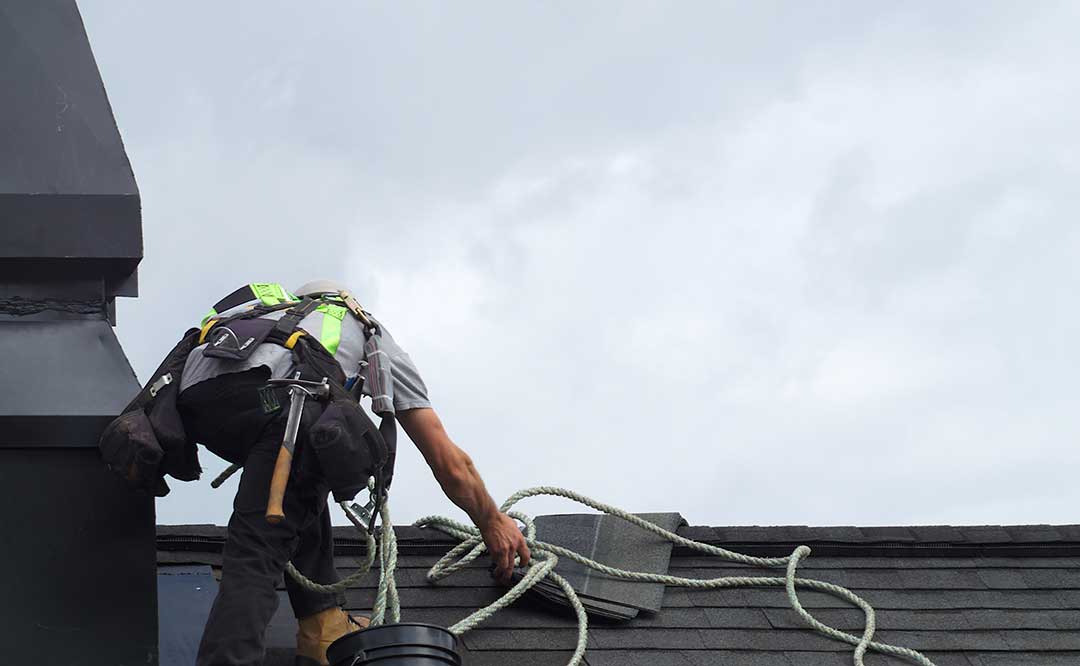
For historical or older homes common in the community, inspectors often look at slate, metal fasteners, and unique flashing styles that may need specialized attention.
What Signs Suggest It’s Time for a Roof Inspection?
Small, overlooked issues often prompt larger repairs if not caught early. Watch for:
- Dark streaks or algae growth on shingles
- Granules in gutters or downspouts
- Peeling paint under eaves or along siding
- Popped nails, loose flashing, or visible shingle movement
- Unexplained spikes in heating or cooling bills, which can signal hidden leaks or insulation problems
Not all signs are easy to spot without climbing on the roof, but noticing one or two hints often means more are present.
Are There Local Rules or Recommendations About Inspections?
The city encourages homeowners to keep roofs in good order, especially for safety and energy efficiency. Historic district guidelines may require maintaining the look and integrity of visible roofing materials. Keeping documentation of regular checks not only supports home value but also ensures compliance if selling.
While some minor debris clearing or gutter checks are safe for residents to do themselves, walking directly on the roof is not recommended due to the risk of falls or causing additional damage. Trained inspectors use safety equipment and know where and what to look for—especially after severe weather.
How Do Local Residents Stay Ahead of Maintenance?
Many area households mark their calendars for an annual spring roof check, often pairing it with gutter cleaning and a general look at siding or foundations. Setting reminders, taking before-and-after photos, and keeping a simple inspection record can make future repairs easier and help track material aging over the years.
By staying aware of seasonal stressors and checking after unusual weather, the community continues to protect both modern and historic homes—avoiding unexpected roof surprises and supporting comfortable, safe living year-round.
