
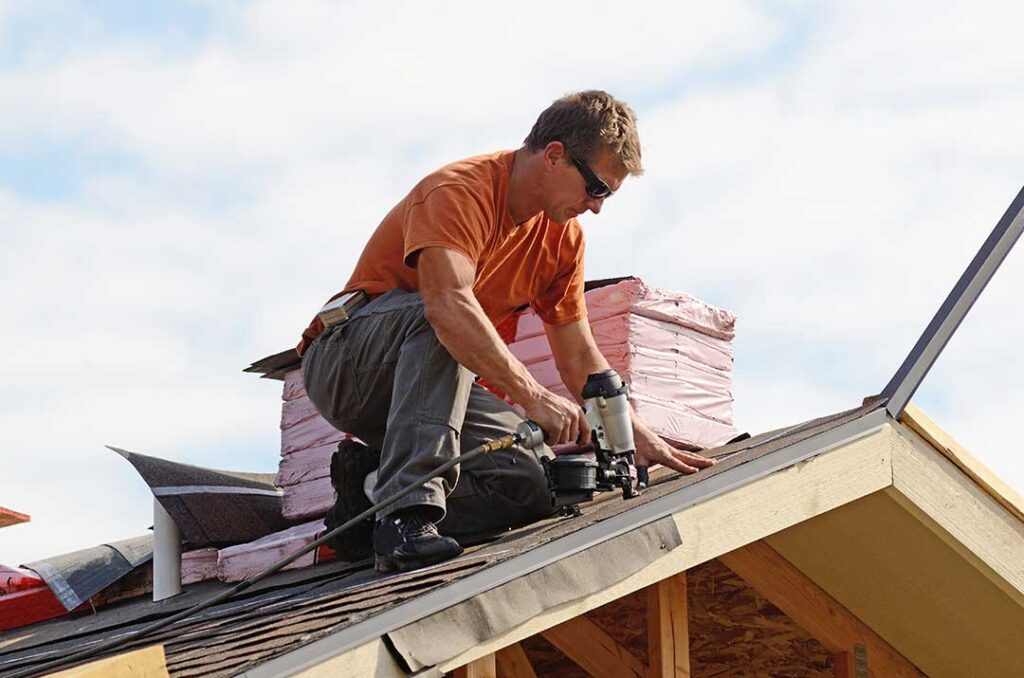
Roof problems often begin with something that looks minor: a loose shingle, a small ceiling stain, or a few granules in a gutter. In Brockport, NY, repeated freeze-thaw cycles, lake-effect moisture, wind, ice, and heavy snow can turn a small defect into a larger roofing failure. Avoiding common repair mistakes helps protect the roof structure, insulation, interior finishes, and household safety.
What is the most common roof repair mistake?
The most common mistake is treating visible damage as the entire problem. A missing shingle may be the result of wind, deteriorated fasteners, damaged flashing, poor ventilation, or moisture beneath the roofing material.
A patch can hide the symptom without correcting the cause. Before making a repair, look for related signs such as:
- Dark or soft decking beneath the roofing material
- Lifted shingles near roof edges or ridges
- Rusted, exposed, or missing fasteners
- Cracked sealant around vents, chimneys, or skylights
- Water stains that extend beyond the point where a leak appears indoors
- Mold-like odors or damp insulation in the attic
Water rarely travels straight down. It can move along roof decking, rafters, insulation, and ceiling materials before becoming visible inside the home.
Why should roof leaks not be repaired from inside alone?
Placing a container under a ceiling drip or painting over a stain may control the immediate mess, but it does not stop water from entering the roof assembly. Continued moisture can weaken wood, reduce insulation performance, encourage microbial growth, and damage electrical components.
Interior work is appropriate after the source of the leak has been corrected and the affected materials have dried. A ceiling stain may need to be monitored even after the roof is repaired because trapped moisture can remain above the finished surface.
If water is near light fixtures, outlets, wiring, or electrical equipment, avoid touching wet components. Turn off power only if it can be done safely and without entering a wet area, and treat the condition as an electrical hazard.
Is it safe to repair a roof during winter?
Roof repairs are more difficult and hazardous during snow, ice, freezing temperatures, or high winds. Footing becomes unreliable, shingles become less flexible, and sealants may not bond properly. Snow can also conceal damaged roofing, weak decking, and roof edges.
In Brockport, winter conditions can change quickly. A roof that appears clear from the ground may still have icy sections, compacted snow, or slippery runoff near the eaves.
Avoid climbing onto a roof when:
- Snow or ice is present
- Wind makes ladders or materials unstable
- The roof surface is wet
- The roof is steep or difficult to access
- Safe ladder placement is not possible
- A repair would require walking near an unprotected edge
Ground-level inspection, attic observation, and temporary protection from inside may be safer until conditions improve. Emergency measures should not create a second problem through a fall or structural accident.
What mistakes are common with shingles?
A frequent error is installing a replacement shingle without checking the surrounding area. If nearby shingles are brittle, curled, cracked, or missing adhesive, the replacement may not remain secure.
Another mistake is using the wrong fastener placement. Nails driven too high, too low, or at an incorrect angle may fail to hold the shingle correctly. Overdriven nails can cut through the roofing material, while underdriven nails may leave the shingle loose.
Replacement material should also match the existing roof as closely as reasonably possible in size, profile, and exposure. Color differences are usually cosmetic, but mismatched dimensions can affect water shedding and wind resistance.
Do not rely on roofing cement as a substitute for proper fastening. Sealant can assist with specific details, but it is not a universal repair material.
Why does flashing deserve special attention?
Flashing is installed around places where the roof meets another surface or where an opening passes through it. Common locations include chimneys, plumbing vents, wall intersections, valleys, and roof edges.
Flashing mistakes include:
- Smearing sealant over old, failing metal
- Covering a drainage path
- Leaving gaps at corners
- Nailing through areas that should remain watertight
- Ignoring deteriorated step flashing beside walls
- Repairing the visible edge while water enters higher up
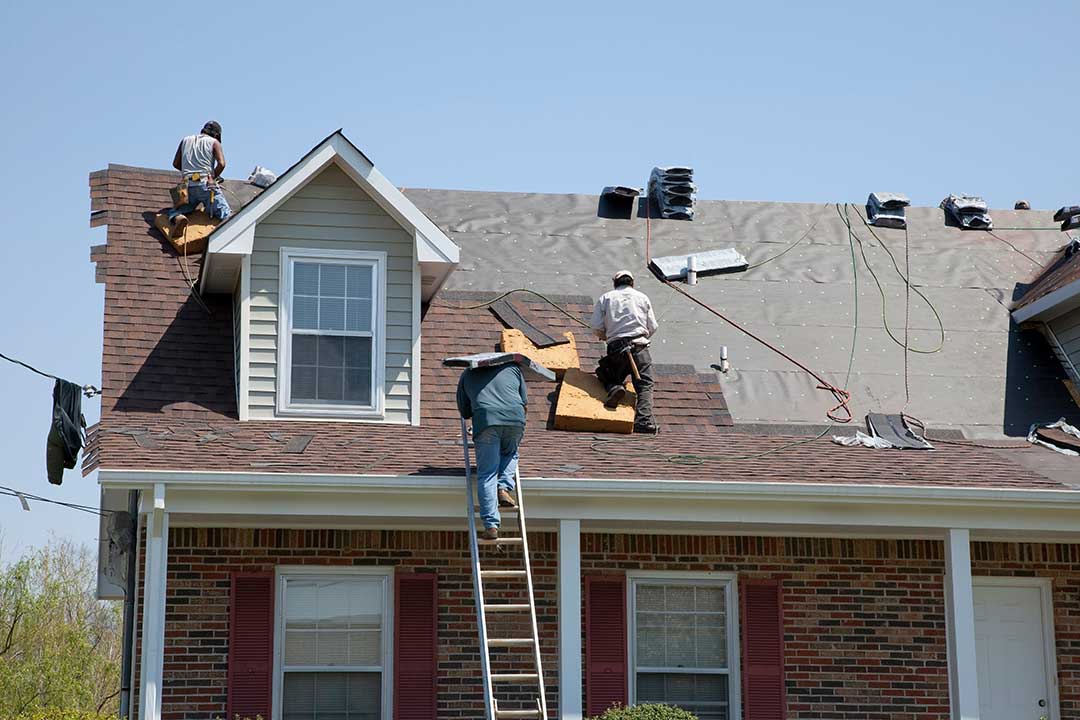
A thick layer of caulk may appear watertight for a short time, but exposed sealant can crack, shrink, or separate during seasonal temperature changes. Proper flashing repairs depend on how the components overlap and direct water downhill.
Can clogged gutters cause roof damage?
Yes. Gutters do not usually cause a roof leak by themselves, but blocked or poorly draining gutters can contribute to water backup at roof edges, fascia damage, ice formation, and wet exterior walls.
Leaves, twigs, windblown debris, and roof granules can collect in gutter systems. During freezing weather, blocked drainage can make water refreeze near the eaves. Repeated expansion and contraction may damage roofing edges and trim.
Avoid leaning a ladder against gutters or using the gutter system as a support point. Check whether downspouts discharge water far enough from the foundation and whether water is spilling behind the gutter during rainfall.
Is attic ventilation a repair issue?
Ventilation problems are sometimes mistaken for roof leaks. In cold weather, warm indoor air can enter the attic through gaps around ceiling penetrations. If that moisture condenses on cold roof surfaces, it can create frost, damp insulation, staining, and wood deterioration.
Adding a roof vent without correcting air leakage or blocking existing intake ventilation may not solve the problem. Attic ventilation works as a system. Intake and exhaust paths must remain open, and insulation should not be packed into ventilation channels at the eaves.
Signs of a moisture or ventilation problem may include:
- Frost on roof sheathing during cold weather
- Damp insulation
- Rusted fasteners
- Peeling paint near upper ceilings
- Persistent attic odors
- Mold-like discoloration on wood surfaces
Roof leaks and attic condensation can occur at the same time, so the source should not be assumed from a single symptom.
Should damaged decking be covered with a patch?
A temporary cover may limit additional water entry, but it does not restore weakened roof decking. Soft, sagging, delaminated, or visibly deteriorated wood can affect the stability of the roofing surface and the ability of fasteners to hold.
Walking on questionable decking is especially dangerous because damage may not be visible from above. Areas around long-term leaks, roof valleys, eaves, and poorly ventilated sections deserve particular caution.
Temporary coverings must also be secured so they do not become airborne during wind. Loose materials can damage the roof, siding, windows, vehicles, or nearby property.
What should homeowners check after a roof repair?
A repair should be evaluated after the next substantial rain and again after a period of wind or freezing weather. Look in the attic for fresh dampness, water trails, stained insulation, or daylight where it should not be visible.
Inside the home, monitor ceiling stains and nearby wall surfaces. A stain that grows, softens, or develops an odor suggests that moisture may still be present.
From the ground, check for lifted shingles, exposed underlayment, displaced flashing, sagging gutters, or debris below the repaired area. Do not climb up simply to inspect a repair if the roof is wet, icy, steep, or otherwise unsafe.
The most reliable repair decisions begin with identifying how water, wind, snow, and temperature changes are affecting the roof system—not just covering the first visible sign of damage.
