
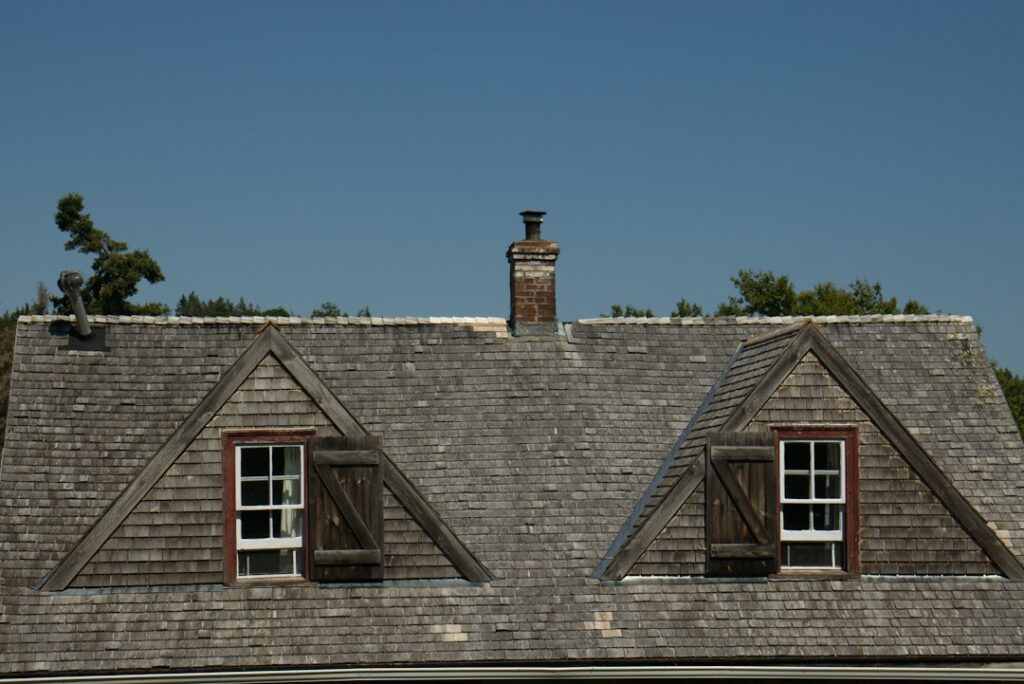
A new roof can improve a home’s value, but the effect is rarely equal to the project’s full cost. The greatest benefit usually comes from reducing buyer concerns, protecting the structure, improving marketability, and preventing a worn roof from lowering the property’s value.
For households in Brockport, NY, roofing decisions are especially relevant because homes must handle freeze-thaw cycles, wind, rain, ice, and seasonal snow. A roof that appears sound from the ground may still have limited remaining life or hidden moisture damage.
Does a new roof automatically increase home value?
Not automatically. A roof replacement can support a higher sale price, but value depends on the roof’s previous condition, the quality of the work, the age and condition of the rest of the home, and what buyers are willing to pay in the local market.
A new roof usually creates the most value when the existing roof is:
- Leaking or showing signs of water entry
- Near the end of its expected service life
- Missing shingles or visibly deteriorated
- Sagging or affected by structural problems
- Likely to create insurance, financing, or inspection concerns
- Visibly out of place compared with nearby homes
If the existing roof is already relatively new and performing well, replacement may add little immediate market value. In that situation, the project may be more about long-term maintenance than resale gain.
Why does a new roof make a home more attractive to buyers?
A roof is one of the largest protective systems in a house. Buyers understand that roof problems can lead to damaged sheathing, insulation, ceilings, walls, electrical components, and personal belongings.
A recently replaced roof can make the property feel less financially uncertain. Buyers may be more comfortable moving forward when they are less likely to face a major repair shortly after closing.
The benefit is often psychological as well as practical. A roof with clean lines, consistent materials, properly finished edges, and no visible damage can improve a buyer’s first impression. It also suggests that the home has received regular care, although a roof alone does not prove that other systems have been maintained.
How does roof condition affect an appraisal?
An appraisal considers the overall condition, quality, and marketability of the property. The appraiser may observe the roofing material, visible wear, apparent damage, and estimated remaining life. A new roof can therefore contribute to a favorable condition assessment, particularly when comparable homes also have updated roofs.
However, an appraiser does not generally add the full replacement cost directly to the home’s value. The roof is considered as one part of the entire property, and the adjustment depends on local market evidence.
A roof with active leaks or very limited remaining life may create a larger problem than a simple reduction in value. Certain loan programs or lenders may require additional inspection, repair, or documentation before financing can proceed. This can reduce the number of interested buyers or make a transaction more complicated.
Does a new roof recover its full cost?
Usually, homeowners should not assume that every dollar spent on a roof will return as an equal increase in sale price. Replacement cost and contributory value are different measurements.
A roof may cost a substantial amount to replace because of labor, removal, decking repairs, ventilation work, flashing, permits, and site conditions. Buyers may value the completed roof, but they may not pay the full project cost above what the home would otherwise be worth.
The financial result is often strongest when the replacement prevents a discount. For example, a buyer may offer less because the roof appears likely to need replacement soon. Another buyer may request a credit, while a third may avoid the property altogether. Replacing the roof can remove that disadvantage, even if it does not produce a matching increase in the final sale price.
What matters more than simply having a “new” roof?
Age is useful, but it is not the only factor. Buyers and appraisers may also consider:
- Whether the roof has proper flashing around chimneys, walls, vents, and other penetrations
- Whether the roof deck is solid or has areas of water damage
- Whether ventilation appears adequate for the attic
- Whether gutters and downspouts direct water away from the foundation
- Whether shingles, metal panels, or other materials are installed consistently
- Whether there are signs of past leaks in the attic or upper floors
- Whether permits or completion records are available when required
- Whether the workmanship appears durable rather than cosmetic

A roof that is technically new but poorly installed may provide less value than an older roof that has been carefully maintained and has several useful years remaining.
Can a new roof improve curb appeal?
Yes, although the effect is usually secondary to protection and condition. Roofing occupies a large portion of many homes’ visible exterior, especially on steeply pitched roofs. Worn, stained, curled, or mismatched materials can make the entire property appear neglected.
A replacement can improve visual consistency, particularly when the roofing color and style fit the home’s siding, brick, trim, and architectural design. A restrained, compatible choice is generally less risky than a highly unusual appearance that may appeal to only a narrow group of buyers.
Curb appeal alone does not justify a replacement. If the roof is sound, smaller maintenance projects may provide more practical value.
How does Brockport’s weather affect roofing value?
Seasonal weather makes remaining roof life especially meaningful in the community. Repeated freezing and thawing can expose weak areas around flashing, valleys, fasteners, and roof edges. Snow, wind-driven rain, ice, and summer heat can also increase stress on aging materials.
A roof that has several years of dependable service remaining may be viewed differently from one that is likely to develop problems during the next winter. Buyers may pay closer attention to attic moisture, stains, soft decking, ice-dam history, and ventilation.
Water management around the roof also matters. Gutters, downspouts, fascia, soffits, and drainage paths should work together. A new roof does not eliminate foundation or wall problems if roof runoff is discharged too close to the house.
Should a homeowner replace the roof before selling?
The answer depends on condition, timing, and the likely buyer response. Replacement may make sense before listing when the roof has active leaks, obvious deterioration, or a short remaining life that would interfere with financing or inspections.
Waiting may be reasonable when the roof is serviceable, well documented, and unlikely to become a major objection. In that case, selling the home as maintained may be more financially sensible than taking on a large project without enough time to benefit from it.
Before making the decision, homeowners should gather available records, review past repairs, look for attic or ceiling evidence of leakage, and understand whether local requirements apply to the work. A written record of the installation, materials, warranties, permits, and completed repairs can help explain the roof’s condition to future buyers.
What is the main value of a new roof?
The main value is often risk reduction. A sound roof protects the home, supports smoother inspections, reduces buyer hesitation, and helps prevent a known defect from becoming a negotiating issue.
For a property in Brockport, the most valuable roof replacement is not necessarily the most expensive one. It is the replacement that is properly planned, compatible with the home, suited to local seasonal conditions, and supported by clear documentation. The roof should be viewed as part of the property’s overall condition rather than as a guaranteed dollar-for-dollar investment.
